The first movement of this concerto I performed certainly challenged my virtuosity! The hours I poured into this piece definitely made a better musician out of me.The opening of the concerto alone took a considerable amount of vivacious energy, note accuracy, and rhythmic drive.
The piece is the first movement of Maurice Ravel’s concerto in G Major, which he began composing in 1929. I studied under Anne Louise-Turgeon at Florida Atlantic University, who performed the orchestral part in this senior recital in 2009. Enjoy!
Technology has provided various avenues for us to listen to music. Being a musician, I wish I had these tools as a teenager to explore various genres. It probably would have changed my style of playing growing up – Why?
I like to describe music as a language. If you are trying to learn how to speak Spanish or Tagalog, one of the best ways to learn the language is to listen to one speak and try to emulate the words spoken. If you or your children are trying to learn music, it’s so important to listen to the musical language. There are so many genres and styles of music to explore!
Here are a few tools I use:
SPOTIFY
Once you sign-up for free, you can download an app onto your computer or smart phone. It syncs with your iTunes account, which makes it easy to access the songs you already own. You can also create your own playlists by searching for specific songs. I personally created a playlist called Piano Songs that has a variety of music with piano.
If you want to upgrade your account, you can take your playlists with you. An easy way to listen to your playlists on the go. You can also connect social media with Spotify, which means that you can view your friends’ playlists!
PANDORA
Don’t have time to search for songs? Type in an artist, band or genre you enjoy listening to and let Pandora do the work. I downloaded this app onto my smart phone, and listen to various stations that Pandora created according to my musical taste. It’s a convenient tool when I want to sit back and hear current and new artists.
What technological tools do you use to listen to music? What piano songs do you enjoy listening to?
It’s fascinating to see the creativity that musicians can bring to the table. I am particularly intrigued by those who mix the “Old” with the “new”. Enjoy this inspiration!
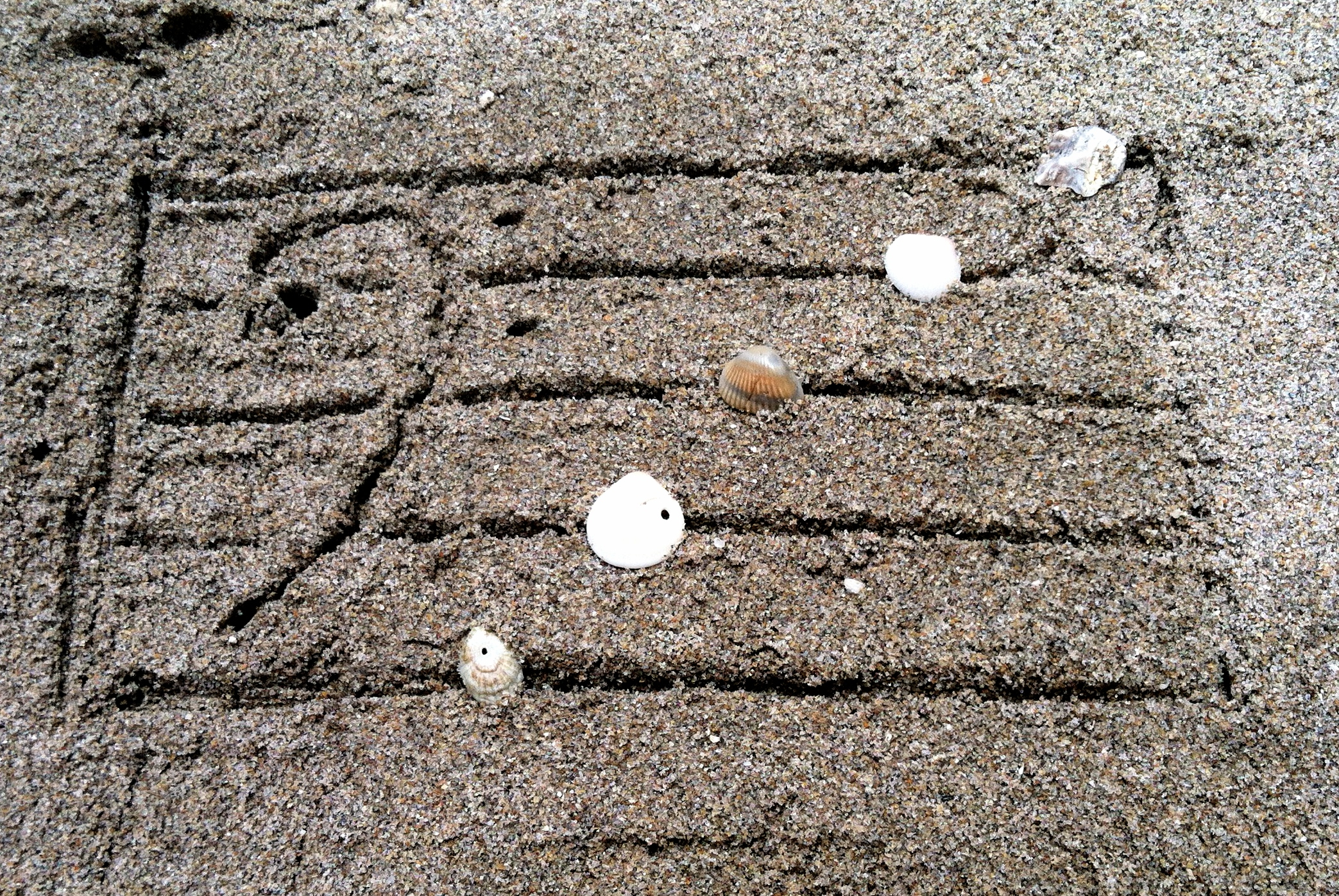
The beach is one place of inspiration for me in South Florida. The warm sun, the gentle breeze and the sound of the ocean waves helps me to relax and enjoy life. As I drew in the sand, an idea dawned on me. My students could practice drawing music in the sand! What a fun activity you can make out of it! Gather a pile of shells, draw a staff and create your own music! Take a picture and try playing it on the piano when you get home.
When I was reading Keyboard Magazine, I came across an article on Greg Anderson and Elizabeth Joy Roe. I immediately looked them up on YouTube. I was inspired by what I heard!
If you started learning music through reading music rather than by learning by ear, “Lean on Me” is one of the easier songs to learn on the piano by ear. It uses one chord shape (the first inversion of each chord) in the right hand and a single note in the left hand for the bass notes. The easiest part – it’s in the key of C! If you are piano player, try to figure it out!
Last week, I was given the opportunity to play keys at the Worship Night at Calvary Chapel Boca Raton. We had an amazing night playing together as a band, leading the church in worship. My set-up included Stage 2 Nord, the Axiom, and Ableton on my lap top. I had a volume pedal to control swells and in-ears for the Aviom. Looking forward to designing more synth and pad sounds for our next one!
Parents, do you ever feel “behind” or unable to help your child when he or she is starting to learn music? I found this video on YouTube that may help you out!
The Music Teacher’s National Association provides a great FAQs on Copyright Laws. If you’re not fond on reading dry rules, like me, you may find this helpful. The official government website is http://www.copyright.gov/





 expressivekeys.com